3

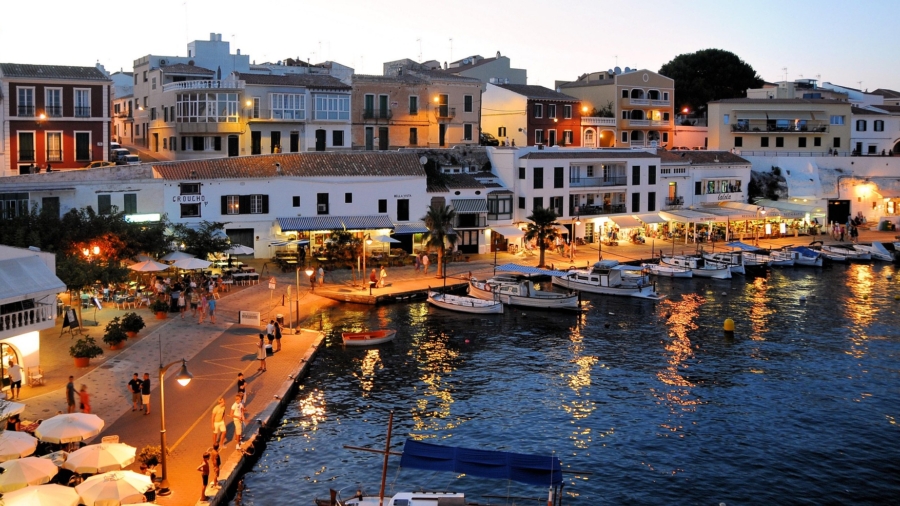
Study In Spain

Dreaming of studying in Europe with a perfect mix of academic excellence, vibrant lifestyle, and affordable education? Welcome to Spain — where your future meets sunshine, culture, and opportunity! 🎯📘🌞

Spain is not just about flamenco, football, and fiestas — it’s also one of Europe’s top destinations for international students! Here’s why thousands of students choose Spain every year to shape their careers and enrich their lives. 🌍❤️


🎓 World-Class Education with Global Recognition

Spain is home to some of the oldest and most prestigious universities in Europe, including:

  • University of Barcelona
  • Complutense University of Madrid
  • Pompeu Fabra University
  • IE University (top-ranked for Business!)
  • University of Valencia

From Business & Management to Engineering, IT, Hospitality, Art, Design, and Medicine, Spanish universities offer globally recognized degrees 🌐 that open doors across Europe and beyond.

✏️ Bonus: Many programs are taught in English, especially at master’s level — perfect for international students! 🇬🇧🎓


💸 Affordable Education & Living

Spain is one of the most budget-friendly study destinations in Western Europe.

🎓 Tuition Fees:

  • Bachelor’s & Master’s: €1,000–€3,500/year (public universities)
  • Private universities: €5,000–€12,000/year

🏡 Living Costs:

  • Average monthly expenses: €600–€900 (including rent, food, transport)

With student discounts on transport, restaurants, and museums — life in Spain is not only affordable, but full of life! 💃🚌🍽️


🧳 Easy Student Visa & Schengen Access

Once admitted, applying for a Spanish student visa is smooth and straightforward. ✈️📄

You’ll need:
✅ Admission letter
✅ Proof of funds
✅ Health insurance
✅ Basic documentation

Once approved, you get a Spanish residence card, which also gives you Schengen travel access — explore France, Italy, Germany, Portugal, and more on weekends or breaks! 🌍📸✈️


🌟 Work While You Study

Spain allows international students to work part-time up to 20 hours/week during studies. 💼💪

After graduation, you can:

  • Apply for a post-study work visa
  • Find jobs in tech, tourism, teaching, business, and health sectors
  • Build your career in Spain or anywhere in Europe! 🏢🌐

Spain’s booming startup ecosystem and connection to Latin America also create opportunities like nowhere else. 🚀


🧡 Culture, Language & Lifestyle

Spain offers an unforgettable student experience beyond the classroom:

  • 🏰 Explore historical cities like Barcelona, Madrid, Granada, and Seville
  • 🌊 Relax on sunny beaches of Costa del Sol or Mallorca
  • 🎭 Dive into a rich cultural life with art, music, dance, and festivals
  • 🍇 Enjoy world-famous Mediterranean cuisine (Tapas, Paella, Churros!)

You can even learn Spanish, the world’s second-most spoken language — a powerful asset for your future! 🗣️📘


💬 Why Choose [Your Consultancy Name]?

We make your dream to study in Spain simple and stress-free! 💼✨

✅ Free counseling on course & university selection
✅ Full admission & visa support
✅ SOP writing, document guidance, and interview prep
✅ Assistance with accommodation and arrival in Spain
✅ Ongoing support during your studies

🎯 Our goal is to help you not just go to Spain—but succeed there.


🛫 Say ¡Hola! to Your Future in Spain

Studying in Spain offers you much more than just a degree — it’s a life-changing experience filled with learning, travel, friendships, and endless opportunities. 🎓🌍✨

📞 Contact [Your Consultancy Name] today and let’s make your Spain dream a reality. From university admission to visa processing and beyond, we’re with you every step of the way. 🤝🇪🇸
2

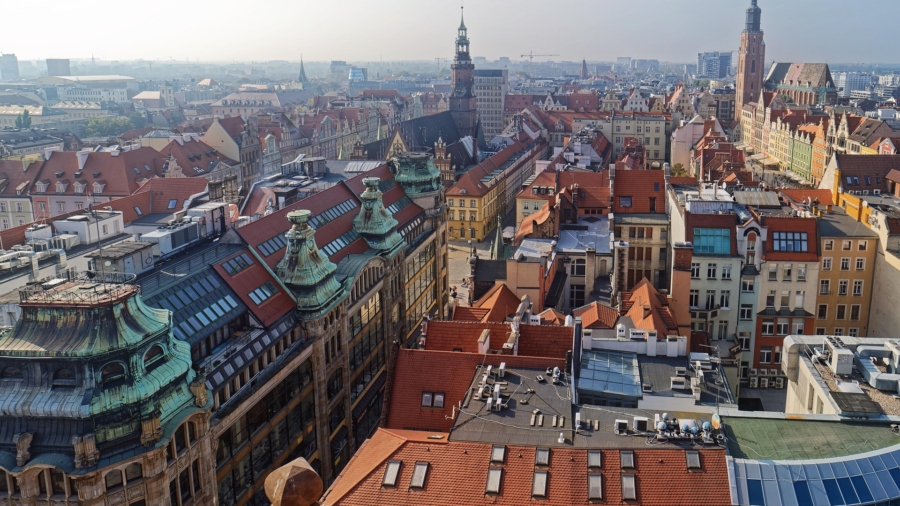
Study in Poland

Looking to study in Europe without spending a fortune—but still want high-quality education and a European lifestyle? Say hello to Poland! 🇵🇱✨

Poland is fast becoming one of the most popular destinations for international students. With English-taught programs, low tuition fees, and a growing global reputation, Poland offers a golden opportunity to students from around the world. Let your dreams take flight! 🕊️🎯


🎓 Why Study in Poland?

Poland has a strong academic tradition with over 400 higher education institutions, many of which are globally recognized. Some top universities include:

  • University of Warsaw
  • Jagiellonian University (Krakow)
  • Warsaw University of Technology
  • Wrocław Medical University

Degrees accepted across Europe and the world
Taught in English
Modern campuses & experienced faculty

Whether you’re interested in engineering, IT, medicine, business, or social sciences, you’ll find a perfect fit in Poland. 💡💻📚


💰 Affordable Tuition & Living Costs

Poland is one of the most affordable countries in Europe for students. 💸💼

📘 Tuition Fees:

  • Bachelor’s & Master’s: €2,000 to €5,000 per year
  • Medicine & Engineering: Up to €11,000 (still cheaper than UK or US)

🏠 Living Costs:

  • Rent, food, transport, and entertainment: €300–€600 per month
  • Student hostels & shared apartments available everywhere

That means you get to live in Europe and study for less than half the cost compared to other Western countries. 🙌


🧳 Easy Student Visa Process

Poland is part of the Schengen Zone, which means once you get a student visa, you can travel across 26+ European countries without borders! 🌍✈️

The visa process is straightforward with:

✅ Offer Letter from a Polish university
✅ Proof of funds
✅ Accommodation details
✅ Visa interview (if required)

Your friendly team at [Your Consultancy Name] will guide you every step of the way. 🤝📄💬


🧠 Study in English, Live in Europe

Poland offers over 800 English-taught programs, so no need to worry about learning Polish—unless you want to! 😉🗣️

From Bachelor’s to PhD, you can complete your entire education in English. The local people are welcoming, and most young Poles speak English too. 🧑‍🎓🌐


🧑‍💼 Work Opportunities

As a student in Poland, you are allowed to work part-time up to 20 hours/week during semesters and full-time during holidays! 💼🍽️

Post-graduation, you can:

  • Apply for temporary residence to search for jobs
  • Get employed in Poland or move to other EU countries
  • Work in tech, finance, health, logistics, and more!

Poland’s growing economy and central location make it a launchpad to a European career. 🚀


🏰 Explore Poland & Beyond

When you’re not studying, explore Poland’s rich culture and history:

🕍 Kraków’s medieval charm
🌆 Warsaw’s modern city life
🏞️ The Tatra Mountains & Baltic Sea

And remember—with your student visa, weekend trips to France, Germany, Italy, or Spain are just a short flight away! ✈️📸


💬 Why Choose [Your Consultancy Name]?

🌟 Personalized counseling
📄 100% help with applications & visa paperwork
💬 SOP & interview preparation
🏠 Assistance with accommodation
📞 Ongoing support after you land in Poland

Our mission is to help you study smart, live better, and build a global future! 🌐📘💫


🛫 Ready to Study in Poland?

Don’t miss your chance to study in one of Europe’s most student-friendly countries! 🎯

👉 Contact [Your Consultancy Name] today and take the first step toward your European dream. We’ll be with you from application to arrival—and beyond! ❤️🇵🇱

1

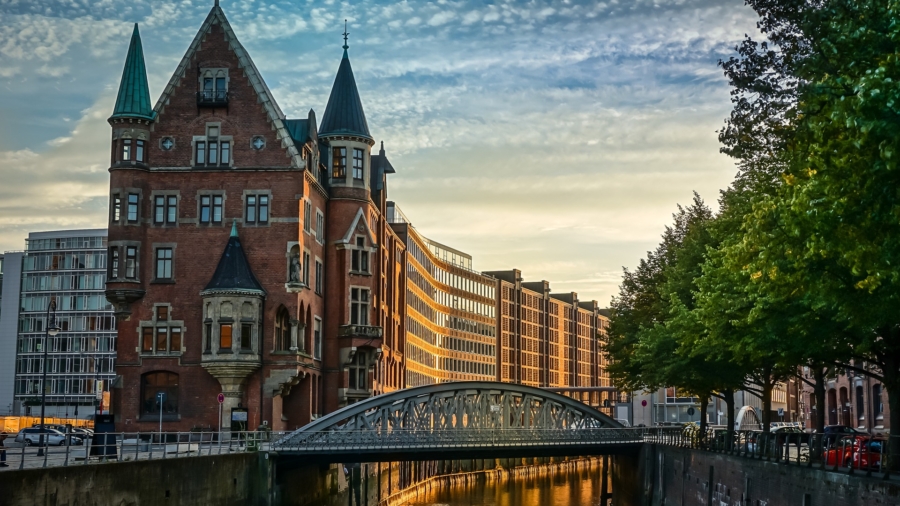
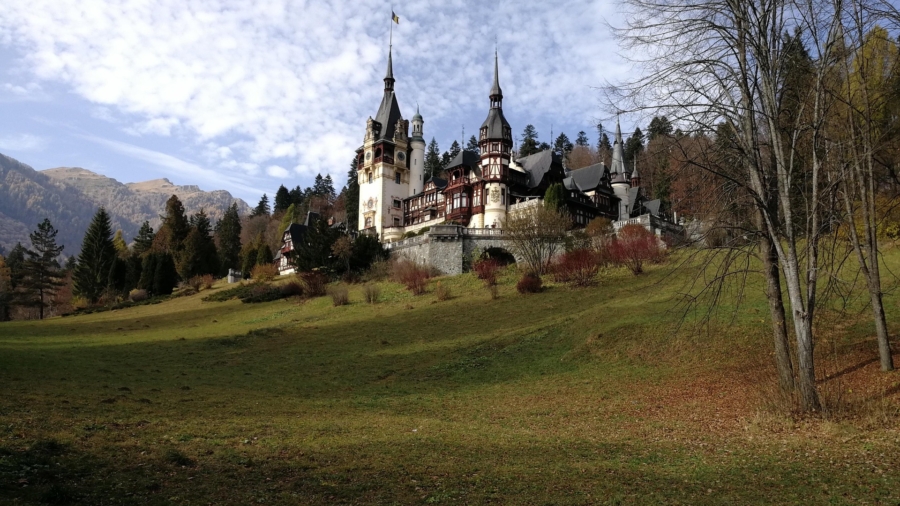
Study In Romania

Are you dreaming of studying in Europe 🌍 without breaking the bank 💸—but still getting a top-notch education? Welcome to Romania, the hidden gem of European education! 🇷🇴 From historic universities to globally recognized degrees, Romania offers everything an international student needs—and more!

Let us guide you on why studying in Romania in 2024 might be the smartest move you’ll ever make. 🎯


🏛️ World-Class Education at Affordable Costs

Romania is home to some of the oldest and most respected universities in Europe. Institutions like:

  • University of Bucharest
  • Babes-Bolyai University
  • Alexandru Ioan Cuza University
  • Carol Davila University of Medicine & Pharmacy

offer globally recognized degrees 🏅—especially in fields like medicine, engineering, computer science, and business.

👉 Tuition fees in Romania range from €2,000 to €6,000 per year, much lower than in Western Europe or the US.

🎉 Bonus: The cost of living in cities like Cluj-Napoca, Iași, and Timișoara is also very affordable—housing, food, and transport won’t drain your wallet. 💼🍽️🚍


💉 Study Medicine & Healthcare in Romania

One of the biggest attractions for international students is Romania’s medical and dental programs. 🩺🦷

They are:

  • Taught in English
  • Globally accredited
  • Affordable compared to UK or US
  • Highly respected in the EU and beyond 🌐

Students from countries like India, Nepal, Pakistan, Nigeria, and across Africa and Asia are increasingly choosing Romanian universities for MBBS, pharmacy, and nursing programs. 👨‍⚕️👩‍⚕️


🌍 Multicultural & Welcoming Environment

Romania is a melting pot of cultures. With students from over 120 countries, you’ll never feel alone! 🌐🤝

Whether you speak English, French, or Romanian, you’ll find your place and make friends from all over the world. 🗣️❤️

Universities often offer student support centers, language classes, and cultural orientation to help international students adjust and thrive. 💡📚


🧳 Simple Visa Process for Students

Good news! 📢 Romania has a straightforward student visa process. Once you receive your university acceptance letter:

✅ Gather required documents
✅ Show proof of financial support
✅ Submit your visa application

And you’re good to go! ✈️📄 Your consultant (like us!) can guide you every step of the way to make it hassle-free.


🗺️ Explore Europe from Romania!

Romania is located in Eastern Europe—a perfect starting point to travel across the EU. 🧳✈️

With a Schengen visa (after completing your studies or with short-stay programs), you can easily explore countries like:

  • Hungary 🇭🇺
  • Austria 🇦🇹
  • Germany 🇩🇪
  • France 🇫🇷
  • Italy 🇮🇹

and many more! 🌍✈️📸


🏆 Work Opportunities & PR Possibilities

While studying, you can work part-time (up to 20 hours/week), and after graduation, you may apply for:

  • Post-study work visa extensions
  • Jobs in Romania or other EU countries
  • Pathways to Permanent Residency (PR) 🏡

Romania is also part of the Bologna Process, meaning your degree is recognized in more than 40 countries across Europe. 🎓🌐


📢 Why Choose [Your Consultancy Name]?

🎯 We specialize in helping students secure admission in top Romanian universities
🤝 We provide step-by-step visa guidance
📝 We help you with application, SOP, visa interview prep, and accommodation
👨‍💻 Our team is always available for support—before AND after you fly


✈️ Ready to Study in Romania?

Don’t wait for the perfect moment—create it! Romania awaits you with open arms, excellent education, and a bright future. 🌞📘🎓

👉 Contact [Your Consultancy Name] today and let us help you build the future you deserve. 🌍📞

3

How to Hire Foreign Workers in Germany: A Step-by-Step Guide

How to Hire Foreign Workers in Germany: A Step-by-Step Guide

Germany, known for its strong economy and advanced industrial base, faces a growing demand for skilled labor. With an aging population and increasing job vacancies in key sectors such as IT, engineering, healthcare, and construction, many German employers are looking beyond borders to fill critical roles. Hiring foreign workers can bring fresh talent, diversity, and a global perspective to your organization. However, the process involves legal, administrative, and cultural steps that must be carefully managed.

In this blog, we provide a step-by-step guide to help businesses in Germany navigate the process of hiring foreign workers effectively and legally.


Step 1: Determine the Need and Role

Before starting the hiring process, clearly define the job role and assess whether hiring a foreign worker is essential. Ask:

  • Is this a high-demand or shortage occupation in Germany?
  • Can the role be filled by local or EU candidates?
  • What specific skills, language requirements, or qualifications are necessary?

This clarity will help you streamline the hiring process and target the right talent pool.


Step 2: Check Eligibility and Visa Requirements

Germany distinguishes between EU/EEA/Swiss nationals and non-EU nationals:

  • EU/EEA/Swiss citizens can work freely in Germany without a visa.
  • Non-EU nationals need a residence permit with work authorization, typically under one of these categories:
    • EU Blue Card (for highly skilled professionals)
    • General Employment Visa
    • Job Seeker Visa (if already in Germany)
    • ICT Card (for intra-company transfers)

To be eligible, the foreign candidate usually needs:

  • A recognized university degree or vocational qualification
  • A concrete job offer from a German employer
  • A salary meeting the minimum threshold (e.g., €45,300/year for Blue Card holders in 2025, or €41,041 for shortage professions)

Step 3: Post the Job Vacancy

You are required to demonstrate that no suitable German or EU candidate is available for the job. To do this:

  • Post the job on the Federal Employment Agency (BA) job portal and/or private platforms.
  • Wait for a short period to allow responses from EU nationals.
  • Keep records of recruitment efforts to show due diligence.

This step is especially crucial if you plan to hire a non-EU national and require approval from the BA (ZAV – Central Placement Office for Foreign Workers).


Step 4: Apply for BA Approval (if needed)

For non-EU hires, you must often get approval from the Federal Employment Agency to confirm that:

  • The employment conditions (salary, working hours) match German standards.
  • The job cannot be filled by an available worker from Germany/EU.

Your role is to support the foreign applicant’s visa process by providing:

  • An employment contract or offer letter
  • A detailed job description
  • Any required documentation for recognition of qualifications

The BA will evaluate the application and send its decision to the relevant German embassy or immigration office.


Step 5: Support the Visa Application

Once the job offer and BA approval are ready, the foreign worker must apply for a visa at their local German embassy/consulate. They’ll need:

  • A valid passport
  • Visa application form
  • Job contract and BA approval
  • Academic/professional qualification certificates
  • Proof of health insurance
  • Accommodation details in Germany

This step may take several weeks, so planning ahead is essential. The worker will receive a national visa (D-type), allowing them to enter Germany for work.


Step 6: Registration in Germany and Residence Permit

After arriving in Germany, the worker must:

  1. Register their address at the local town hall (Anmeldung).
  2. Apply for a residence permit at the local immigration office (Ausländerbehörde).
  3. Submit biometrics and documentation.

Once granted, this residence permit allows the individual to work legally and live in Germany.


Step 7: Onboarding and Integration

Hiring foreign workers doesn’t end with paperwork. Successful integration into your workplace and local community is key to long-term retention. Here’s how:

  • Provide orientation and training in both job-specific and cultural topics.
  • Offer language support, if necessary.
  • Help with housing, schooling (for families), and social integration.
  • Assign a mentor or buddy within the company.

This helps build loyalty, productivity, and satisfaction among international hires.


Step 8: Stay Compliant with Labor and Immigration Laws

Ensure ongoing compliance by:

  • Keeping employment contracts and records up to date.
  • Notifying the immigration office of any major job changes (e.g., promotion, change in job role).
  • Staying informed of changes in immigration laws or salary thresholds.

Non-compliance can lead to fines or revocation of work permits, so take this seriously.


Bonus: Leverage Skilled Worker Immigration Law (Fachkräfteeinwanderungsgesetz)

Germany has simplified rules under the Skilled Worker Immigration Law, allowing more opportunities for qualified professionals from abroad to work in Germany. It applies to:

  • Workers with vocational training or university degrees
  • Certain IT professionals without formal degrees (with enough experience)
  • Faster recognition of foreign qualifications

Understanding and leveraging this law can streamline your hiring process.


Conclusion

Hiring foreign workers in Germany offers a powerful way to fill skill gaps and drive innovation. However, it requires a thoughtful, step-by-step approach to stay legally compliant and ensure a positive experience for both employer and employee.

With proper planning, support, and cultural integration, your company can benefit tremendously from global talent.

2

EU Blue Card vs. Work Permit: Which Is Right for You?

If you’re a skilled non-EU professional planning to work in Europe—especially in countries like Germany, France, or Netherlands—you’ve likely come across two popular options: the EU Blue Card and the Work Permit.

While both allow you to live and work in Europe legally, they are not the same. Choosing the right path can make a big difference in terms of salary expectations, family reunification, permanent residency, and even your future mobility across the EU.

In this blog, we break down the key differences, benefits, and eligibility requirements for the EU Blue Card and the standard work permit, so you can decide which is best for your career goals.


✅ What Is the EU Blue Card?

The EU Blue Card is a residence and work permit for highly qualified non-EU citizens. It’s designed to attract skilled professionals to the EU and make it easier for them to live and work in member states.

It is valid in 25 of the 27 EU countries (excluding Denmark and Ireland).

Who Is It For?

  • Highly skilled workers (e.g., engineers, IT professionals, doctors)
  • University graduates or individuals with equivalent qualifications
  • Those with a job offer from an EU employer

✅ What Is a Work Permit?

A work permit is a country-specific residence and employment authorization. Each EU country (including Germany) issues its own permits based on national immigration rules. Unlike the EU Blue Card, this doesn’t offer cross-border flexibility.

Who Is It For?

  • Both skilled and semi-skilled workers
  • People with vocational training or professional experience
  • Those who meet the local labor market needs

🔍 Key Differences: EU Blue Card vs. Work Permit

FeatureEU Blue CardStandard Work Permit
EligibilityUniversity degree or equivalent + job offer with a minimum salaryDepends on national law (some allow vocational qualifications)
Minimum SalaryYes (varies by country, e.g., €45,300/year in Germany for 2025; lower for shortage professions)No fixed threshold—salary must meet local standards
ValidityUsually 1-4 years, renewableUsually tied to the job contract
Family ReunificationFast-tracked, family members can also workAllowed, but sometimes slower or more restricted
Change of EmployerAllowed after 12 months without needing approvalMay require new application depending on country
Mobility Within EUYes, easier to move to another EU country after 12 monthsLimited—new permits needed in each country
Path to Permanent ResidencyTypically after 33 months (or 21 months with language skills)Depends on country; usually 5 years or more
RecognitionValid in multiple EU countriesOnly valid in issuing country

🎯 Which One Should You Choose?

Here’s a quick guide based on your situation:

✅ Choose EU Blue Card if:

  • You hold a university degree (or equivalent).
  • You’ve received a high-paying job offer in the EU.
  • You want the freedom to move across the EU in the future.
  • You plan to bring your family with you.
  • You want a faster track to permanent residency.

✅ Choose Work Permit if:

  • You don’t meet the Blue Card salary or education requirements.
  • You have vocational training or professional experience.
  • You’re hired in a shortage occupation or by an employer with special approval.
  • You’re aiming to live and work in just one EU country (e.g., Germany only).

🧾 Real-World Example: Germany

Let’s take Germany as an example:

CategoryEU Blue CardWork Permit (Skilled Worker Residence Permit)
Degree Needed?YesDegree or vocational training
Salary Requirement (2025)€45,300/year (or €41,041 for shortage jobs)No strict threshold, but must be comparable to local standards
BA (Federal Employment Agency) Approval?Sometimes waivedUsually required
Permit Validity4 yearsBased on job contract duration

🔒 Important Notes

  • Recognition of Qualifications: For both options, your education or training must be recognized by the host country.
  • Health Insurance: Mandatory for both.
  • Employer Role: Your employer may need to justify hiring a foreign worker (especially for standard work permits).

📌 Conclusion

Both the EU Blue Card and the Work Permit open doors for non-EU nationals, but your qualifications, salary, and career plans will determine which is right for you.

  • If you’re a highly skilled professional, aiming for long-term EU mobility and faster residency, the EU Blue Card is your best bet.
  • If you’re a specialist or tradesperson without a university degree, or planning to work only in one EU country, then a standard work permit may be the ideal choice.

Tip: Always check the latest immigration rules of the specific EU country where you plan to work. Immigration policies can change based on labor market demands and government updates.

1

Top 5 In-Demand Unskilled Jobs in Europe (2024)

While Europe is known for attracting highly skilled professionals, there’s also a growing demand for unskilled or low-skilled workers across various sectors. Aging populations, labor shortages, and economic recovery efforts have opened up thousands of opportunities in industries where formal education or specialized training isn’t a must—but reliability, physical ability, and willingness to work are highly valued.

If you’re seeking work opportunities in Europe without a university degree or advanced skills, here are the Top 5 in-demand unskilled jobs in Europe for 2024.


🔧 1. Warehouse and Logistics Workers

Why in demand:

With the boom of e-commerce and online retail across Europe, companies like Amazon, DHL, and local delivery services need thousands of workers to handle sorting, packaging, and shipping.

Common roles:

  • Pickers/Packers
  • Forklift Operators
  • Delivery Helpers

Countries hiring:

  • Germany 🇩🇪
  • Netherlands 🇳🇱
  • Poland 🇵🇱
  • France 🇫🇷

Average Pay:

€10–€14 per hour (varies by country)


🧹 2. Cleaning and Housekeeping Staff

Why in demand:

Hotels, hospitals, offices, and public institutions consistently need cleaners and janitorial staff. The tourism sector’s recovery in countries like Spain and Italy has increased the demand further.

Common roles:

  • Office Cleaners
  • Hotel Housekeepers
  • Hospital Sanitation Workers

Countries hiring:

  • Spain 🇪🇸
  • Italy 🇮🇹
  • Austria 🇦🇹
  • Germany 🇩🇪

Average Pay:

€9–€13 per hour


🛠 3. Construction Laborers

Why in demand:

Large infrastructure and housing projects are underway across Europe, and there’s a shortage of workers for physically demanding, entry-level roles in the construction sector.

Common roles:

  • General Construction Helpers
  • Site Cleaners
  • Material Movers

Countries hiring:

  • Germany 🇩🇪
  • Sweden 🇸🇪
  • Norway 🇳🇴
  • Czech Republic 🇨🇿

Average Pay:

€12–€18 per hour


👵 4. Care Assistants and Support Workers (Non-Medical)

Why in demand:

Europe’s aging population is leading to a surge in demand for elder care, especially in home care settings and retirement homes—even for roles that don’t require medical training.

Common roles:

  • Elderly Companions
  • Home Helpers
  • Disability Support Workers

Countries hiring:

  • Germany 🇩🇪
  • Finland 🇫🇮
  • Netherlands 🇳🇱
  • Ireland 🇮🇪

Average Pay:

€10–€16 per hour


🌾 5. Agricultural and Seasonal Farm Workers

Why in demand:

Seasonal agriculture—such as fruit/vegetable picking and greenhouse labor—relies heavily on migrant and foreign workers. Due to local labor shortages, many farms across Europe are actively recruiting from abroad.

Common roles:

  • Fruit/Vegetable Pickers
  • Greenhouse Workers
  • Packaging Assistants

Countries hiring:

  • Spain 🇪🇸
  • Portugal 🇵🇹
  • Italy 🇮🇹
  • France 🇫🇷

Average Pay:

€8–€12 per hour (includes housing/meals in some cases)


🌍 Final Thoughts

Contrary to common belief, Europe has many legal pathways for unskilled workers, especially through seasonal work programs, labor shortage quotas, and bilateral agreements with countries in Asia, Africa, and Eastern Europe.

If you’re hardworking, adaptable, and open to relocation, you can find a secure job with decent pay and benefits—even without formal education.


📝 Pro Tip:

Check the official immigration websites of countries like Germany (Make It in Germany) or Portugal’s IEFP for updated job openings and work visa programs for unskilled workers.